As the demand for nickel alloys keeps diversifying with varying industries like aerospace, marine equipment, chemical processing, and the energy sector benefiting from them, the retailers are most concerned about ensuring ideal grades for every specific need.
One thing that gets secondary attention but is very crucial is the selection of the right supplier. It can affect everything from timely material supply to certificate compliance, customisation, and brand consistency.
In this guide, we’ll talk about how businesses and retailers can select a supplier that is reliable for long-term growth.
Start by Outlining Your Retail Requirements
Most sourcing mistakes are committed even before an inquiry is sent. This is because the B2B buyers are sometimes not clear about their own requirements, and they start their supplier hunt. Here’s your initial checklist for a meaningful hunt:
Clarify Your Required Product Range
While some nickel alloy suppliers have expertise in supplying nickel pipes, others may be good at making nickel alloy sheets. Before you finalise, be clear about your required product range, e.g.
- Tubes and bars
- Pipes
- Plates and sheets
- Fittings
- Custom parts
The Volume You Need
Do you need a mix of small and diverse orders for varying customer needs, or are you looking for bulk orders for big industrial clients?
Some manufacturers might be capable of providing high volume bulk quantities, while others might have adapted their supply chain to accommodate smaller, customised retail orders. Going for the wrong choice can lead to delays and inappropriate pricing.
Your Target Industries
Different grades of nickel alloys show different behaviour under varying conditions like humidity, chemical exposure, pressure, etc. Small variations in the component elements can have a big impact. Those distributers who serve marine industry clients need different supplier expertise than the one serving energy sector clients.
Access Your Supplier’s Nickel Alloy Portfolio
Have a thorough look at the portfolio of your supplier. What product types they’ve been offering, and are they experienced enough?
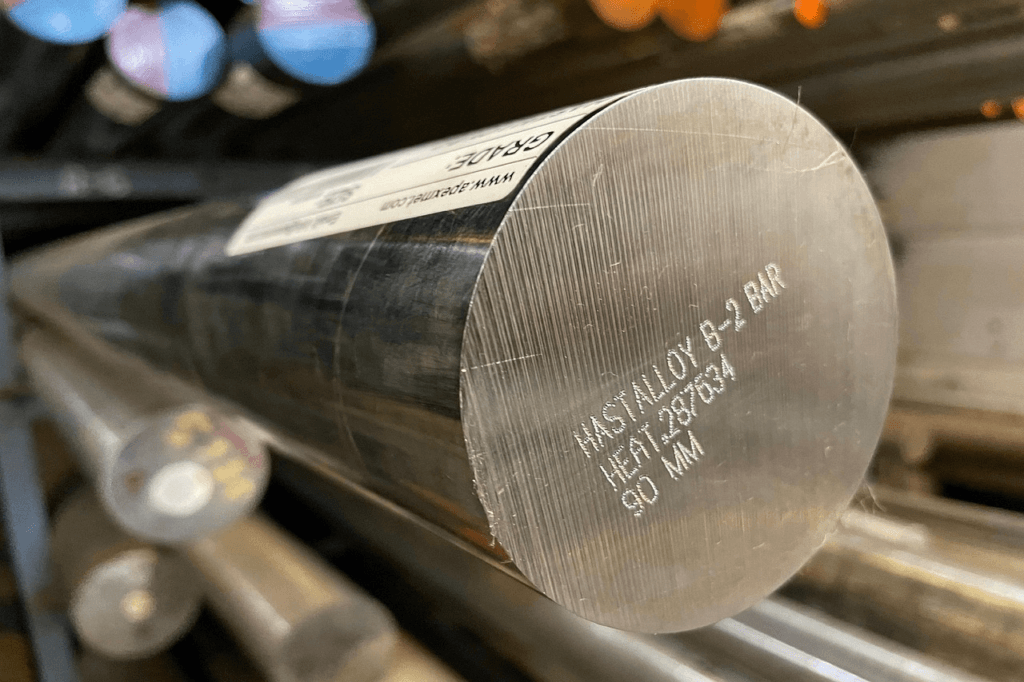
Moreover, the types of nickel alloy they have expertise in also need due consideration. For example, are they good at high-quality Inconel, Cupronickels, Hastalloy, or Monel production?
In addition, the supplier should offer both the stocked material for fast-moving elements and custom orders.
Red Flags to Look for:
While you shop around for a capable supplier, be wary of the following red flags:
- A supplier that insists on a single grade for almost every other application
- He doesn’t regard the differences between different grades
This usually shows the supplier is trying to sell their inventory rather than prioritising what works the best for the customer.
Test Reports and Certifications are Non-Negotiable
The certificates and test reports help retailers gain goodwill by nurturing trust. These should be non-negotiable when it comes to finding the best nickel alloy supplier because, without them, you may face delayed or blocked shipments to global markets.
material test certificates (MTC / Mill Test Reports)
For every batch you receive, you should get a report about the chemical composition and mechanical features of the material. Verify that there are no inconsistencies between the documented features and the provided material.
International standards (ASTM, ASME, EN, DIN)
Only prefer the suppliers that fulfil the requirements of the accepted relevant standards like ASTM, DIN, EN, and ISo, etc. This means you can accept and deliver orders to clients from different parts of the world.
Manufacturing Capabilities of Supplier
We’d recommend going for a supplier with in-house processing. Those who depend on third parties will be more susceptible to delays. Moreover, there will always be risks of inconsistencies.
Those who do not rely on others for processing can assure quick turnarounds and consistent quality.
The supplier should be capable of processes like cutting, heat treatment, finishing, and quality control.
Pricing Transparency
Nickel alloy prices are determined by factors like the prices of alloying components, e.g., the trace elements Fe, Mn, Zn. Moreover, the difficulty of processing and the requirement for certifications and reports also drive the cost.
The transparency in pricing calls for the supplier’s ability to explain the pricing criteria. It doesn’t have to be unreasonably low, but it should make sense, keeping in view the price drivers.
Red Flags to Look for
Look out for very low quotes, as they might be excluding critical elements like certification and might be outsourcing to those who don’t value quality.
Technical Support and Application Knowledge
Some suppliers work as partners, providing valuable insights into the changing trends. They take your business seriously and help you succeed.
Prefer suppliers who give thoroughly researched market data to help fill market gaps, like Vista Global Metal does with the help of their research team.
Getting support with alloy selection based on customer needs from an experienced team can help retailers reduce returns and complaints. They help by finding market gaps and pointing out shifting trends, hence making you future-ready.
After-Sales Support and Long-Term Partnership Potential
This is an area most businesses neglect and then suffer. Check the manufacturer’s record in handling complaints and whether or not they have a responsive after-sales team. This is important in order to navigate through issues like material rejections, documentation loopholes, and damage during shipping.
You must ensure that the supplier has clearly communicated procedures and policies in place regarding returns.
What Makes Vista Global Metal An Ideal Supplier?
There are several reasons why you can trust us for your metal alloy ventures:
- Vista Global Metals is your one-stop shop for quality nickel alloys due to a vast portfolio. We have expertise in a variety of nickel alloys from cupronickels to inconel, nemonic, and hastealloy to invar.
- We support every batch with clear, transparent, and comprehensive documentation.
- All our nickel alloys are compliant with the international standards like ASTM, EN, ASME, and ISO.
- We have an experienced research team to help you with the market data that leads to meaningful, application-oriented choices.
Conslusion
By prioritising suppliers that value your market reputation and actively help you navigate through the process of alloy selection, you can make your business futuristic. Always ask for documentation, and never neglect compliance verification, or you may end up staking your reputation, and not just your margins, in the long run.