Introduction
The first time you ask for an Inconel quote, you assume someone fat‑fingered the spreadsheet. Then you ask a second supplier…and the number changes again. Same grade. Same “pounds.” Different universe.
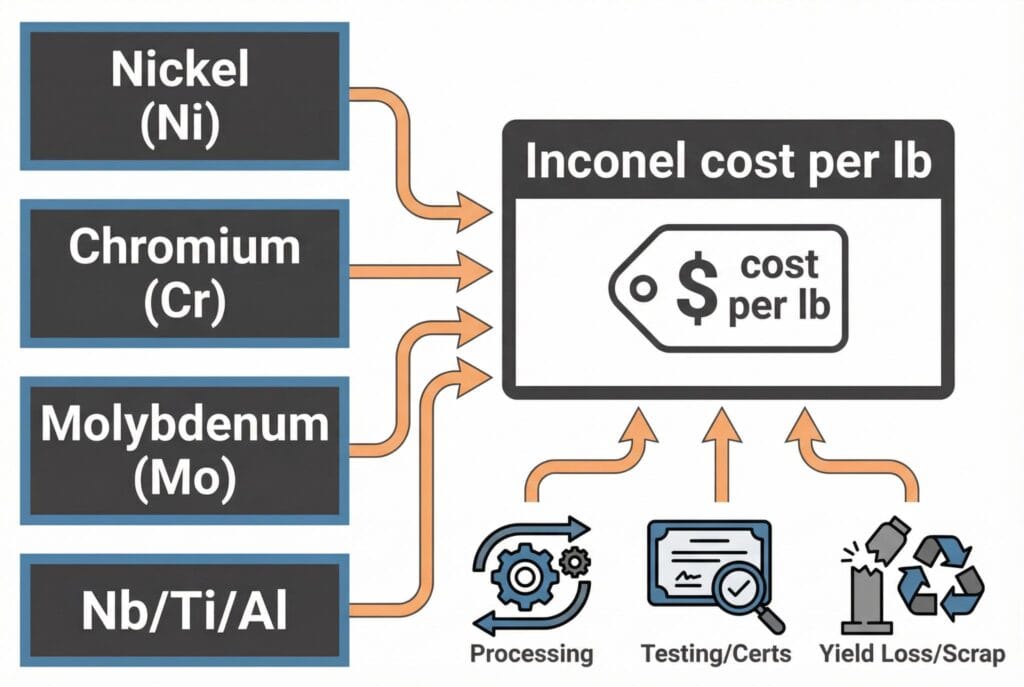
That’s why “price per pound” matters in industrial buying. It’s the only way to stop getting hypnotized by per‑foot, per‑piece, “starting at” pricing that hides the stuff that actually moves your cost: nickel, surcharges, melt route, certification, and how much processing the mill (or service center) did before it ever hit a crate.
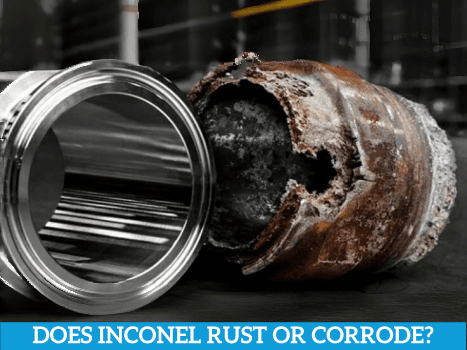
Inconel earns its keep in hot, nasty, high-stress environments—turbines, chemical plants, marine hardware, heat exchangers—places where ordinary stainless taps out early.
So here’s what you’re getting in this article: realistic range pricing by common grade (not “quotes”), why those ranges swing, and what to watch for when you source from a B2B supplier like Vista Global Metals.
What Determines the Price of Inconel Per Pound
Alloy Composition Differences (the expensive truth)
Inconel is pricey because it’s basically “pay by the periodic table.” Nickel is the base metal in most of these alloys, and it’s not a cheap ingredient—especially when you’re talking about alloys that run roughly 50% to 70%+ nickel depending on grade. (Alloy 600 is 72% minimum Ni + Co; X‑750 is 70% minimum Ni; 625 is 58% minimum Ni; 718 is 50–55% Ni.)
And it’s not only nickel. Some grades carry big chunks of other “wallet-lightening” elements:
- 625 leans on molybdenum (8–10%) plus niobium (3.15–4.15%) for strength and corrosion resistance.
- 718 bumps niobium even higher (4.75–5.50%) and adds titanium + aluminum so it can be precipitation‑hardened.
- 690 pushes chromium hard (often discussed around ~29% Cr in supplier literature) because it’s built for aggressive oxidation/corrosion scenarios.
More alloying. More cost. No mystery—just metallurgy.
Raw Material Market Fluctuations (nickel doesn’t sit still)
Nickel is traded globally, and when nickel moves, Inconel moves—sometimes with a lag, sometimes brutally fast via surcharges.
USGS notes nickel price changes tied to supply/demand shifts and, importantly, how surplus nickel supply from Indonesia has affected pricing dynamics (and how disruptions can still spike concern).
Also: global production is lopsided. USGS lists Indonesia at ~2.2 million metric tons of mined nickel in 2024 (estimated) versus a world total of ~3.7 million—that concentration matters when policy, quotas, logistics, or geopolitics get weird.
Manufacturing and Processing Costs (why Inconel stays expensive even when nickel drops)
Here’s the part buyers underestimate: even if nickel gets cheaper this month, you’re still paying for how these alloys are made.
High-performance nickel alloys—especially aerospace‑grade material—commonly involve vacuum melting / remelting routes to control cleanliness and properties. Sandia explicitly describes vacuum arc remelting (VAR) as the principal secondary melting process used to produce ingots for “almost all wrought Alloy 718 applications.” That’s not a casual extra step; it’s a slow, equipment-heavy one.
And on the front end, research on Inconel 718 melting points out that vacuum induction melting (VIM) is used because the alloying elements are reactive—and that the melting process is time-consuming and energy-demanding. Translation: your “per pound” cost isn’t just chemistry; it’s paid furnace time.
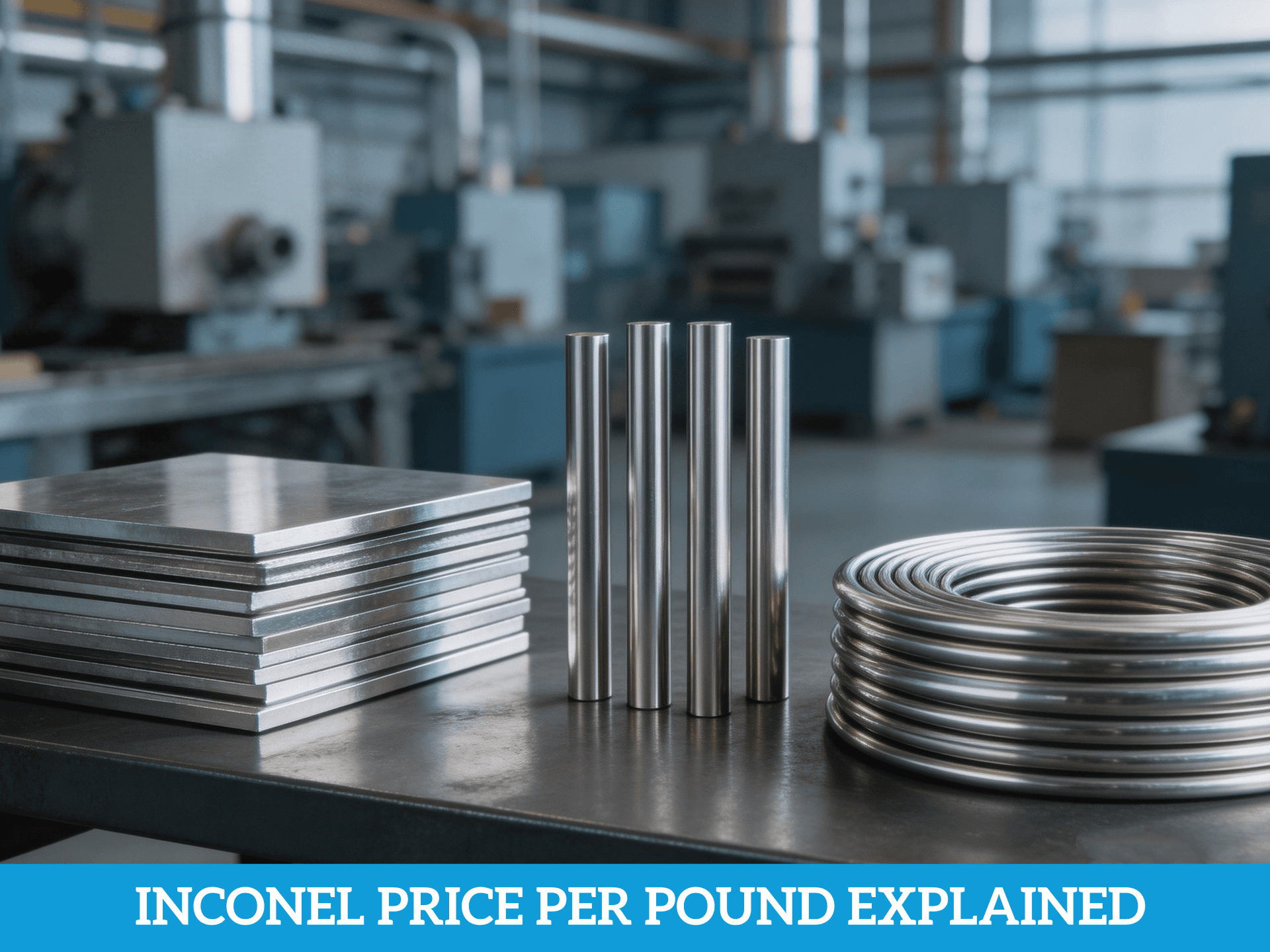
Then come the downstream costs: rolling plate flat, drawing wire, making seamless tube, holding tight tolerances, scrapping material that misses spec, and documenting everything. You’re not buying a metal. You’re buying a controlled manufacturing history.Inconel Price Comparison Across Common Grades
Inconel Price Comparison Across Common Grades
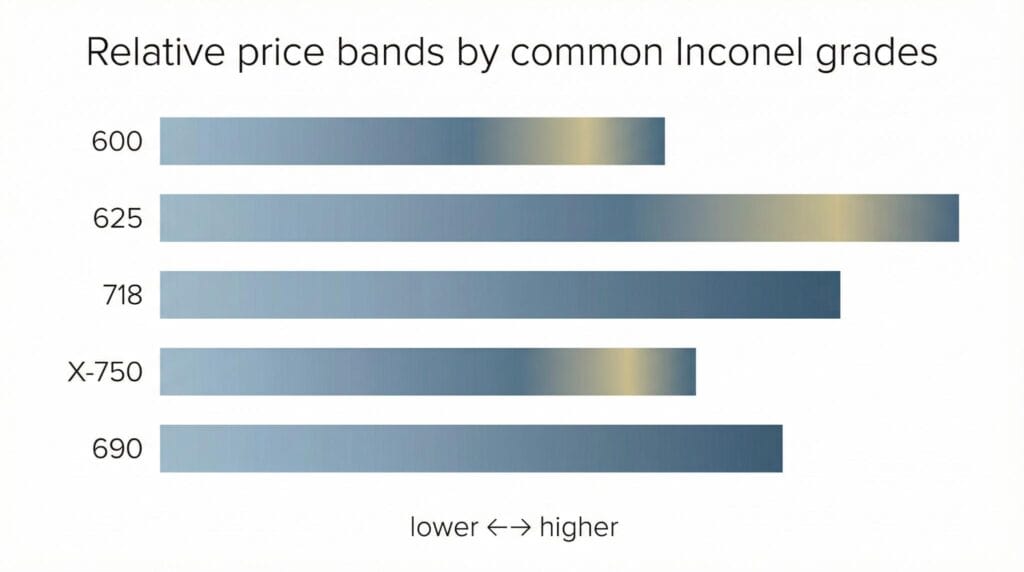
Overview of Key Inconel Grades and Relative Cost Drivers
If you want a simple rule that’s usually right: more exotic alloying + harder processing + tighter specs = higher $/lb.
- 600: high nickel, relatively straightforward chemistry; often lands below the “Mo/Nb-heavy” corrosion grades. (Ni 72% min; Cr 14–17%; Fe 6–10%.)
- 625: nickel + chromium + a lot of molybdenum + niobium; corrosion resistance is excellent and demand is broad.
- 718: precipitation-hardenable, high-strength workhorse; niobium-heavy and commonly tied to stricter aerospace/process controls.
- X‑750: precipitation-hardenable nickel-chromium alloy (Ni 70% min) often used where spring/relaxation strength matters at temperature.
- 690: nickel-chromium built around high chromium content for certain harsh corrosion/oxidation niches.
Processing matters too:
- 625 is commonly described as getting strength largely without a strengthening heat treatment (solid-solution strengthening).
- 718 is built around precipitation hardening and is heavily discussed in the context of melt/quality routes like VAR for wrought applications.
So yeah—718 tends to carry a “strength tax.”
Inconel 625 Price Per Pound – Typical Range and Influencing Factors
For budgeting (not quoting), new wrought Inconel 625 is often seen in a rough band around the low‑$20s up into the $40s per lb, with seamless tubulars and small‑lot / heavily processed items pushing higher.
Why it swings:
- Nickel + molybdenum exposure (625 is Mo-heavy).
- Form matters: plate/sheet vs bar vs seamless tube have different yield losses and processing steps.
- Cert packs and testing: corrosion service buyers often want full traceability and documented compliance.
Common demand buckets include chemical processing and marine service; 625 is basically the alloy people reach for when they’re tired of corrosion surprises.
Typical quoted forms: plate/sheet, bar/rod, welded pipe, seamless tube, and welding consumables. Vista Global Metals specifically lists 625 in sheet/plate and also offers 625 seamless pipe/tube product supply.
Inconel 718 Price Per Pound – Premium for High-Strength Applications
For budgeting, new wrought Inconel 718 often sits from the mid‑$20s up into the $50s+ per lb, and it can climb fast when you stack on aerospace specs, remelt requirements, tight tolerances, or low quantity.
Why the premium shows up:
- Chemistry includes high niobium plus Ti/Al additions (718 is not a “simple” nickel alloy).
- Wrought 718 is commonly associated with VAR as a key secondary melt process, which isn’t free.
- Specs and documentation: aerospace and rotating equipment buyers don’t accept “trust me” material.
Dominant use cases: turbines, aerospace hardware, high-strength fasteners, cryogenic tanks—anywhere strength has to stay put at temperature.
Other Grades at a Glance (budget bands, not quotes)
Approximate budgeting bands for new wrought material (wide on purpose, because form/spec/volume can whipsaw it):
| Grade | Approx. $/lb band (common mill forms) | Why it lands there |
| Inconel 600 | ~$15–$30/lb | High nickel but simpler alloying than 625/718 |
| Inconel 625 | ~$20–$45/lb | Mo + Nb content; corrosion demand |
| Inconel 718 | ~$25–$55+/lb | Nb-heavy; precipitation hardening; melt route/spec overhead |
| Inconel X‑750 | ~$25–$55/lb | Precipitation-hardened, high Ni; often spring/fastener demand |
| Inconel 690 | ~$25–$48/lb | High Cr niche; supply can be tighter by form/spec |
Niche grades (725, 751, etc.) can cost more simply because availability is thinner and buyers tend to require heavier documentation. Special Metals’ published surcharge tables even list separate surcharge lines for 718, 725, X‑750, 751—a hint that raw material cost structure is not identical across “Inconel.”
How Form, Specification, and Order Volume Affect Cost
Product Form
This is where “why do quotes vary?” finally gets a clean answer: you’re not just buying chemistry—you’re buying processing.
- Bar vs nickel alloy sheet metal: plate needs rolling and flatness control; bar can need forging + straightening + ultrasonic testing depending on spec.
- Pipe/tube is its own beast: and seamless almost always costs more than welded because the process chain is longer, yield loss can be worse, and testing requirements are usually heavier. Vista Global Metals lists both welded nickel alloy pipe series and nickel alloy seamless pipe series—those are not priced the same for a reason.
Size, Tolerance, and Standards
A lot of quote spread is hiding inside one sentence: “to ASTM/ASME/AMS.”
Tighter tolerances, specific finishes, and code requirements drive:
- more inspection,
- more scrap,
- more paperwork,
- and sometimes a different melt route expectation.
Vista’s Inconel sheet/plate page explicitly calls out multi-standard supply (ASTM/AISI/JIS/DIN/EN/GB) and certifications like mill test certificates and third-party inspection options—those boxes cost money to tick.
Order Quantity and Supply Stability
Small orders get punished. Not because suppliers are mean—because setup costs are real.
Big-volume, repeat orders can reduce $/lb through:
- fewer cut charges per pound,
- fewer “expedite” premiums,
- better production slotting,
- and smarter timing around published surcharge cycles (many mills update surcharges monthly based on raw material averages).
If you’ve ever seen two quotes for the same grade that differ by 30%+, odds are one of them assumed “stock + minimal testing + friendly lead time,” and the other assumed “cut-to-length + full traceability + hurry up.”
Sourcing Inconel Alloys for Industrial Use
Choosing a Reliable Supplier
If you’re buying Inconel for real service (not a science fair project), the boring stuff matters:
- heat/lot traceability,
- mill test certificates,
- chemistry and mechanical consistency,
- and a supplier who won’t swap material when inventory gets tight.
That’s how you avoid the ugliest kind of savings: the kind that shows up as downtime.
Vistaglobalmetal’s Role in Supplying Nickel-Based Alloys
Vista Global Metals positions itself as a B2B supplier focused on nickel alloy products (plus stainless and other metals), advertising two decades of experience, custom processing/cutting, and international certification support.
For Inconel-heavy buyers, relevant starting points on our site:
- Inconel sheet & plate supply page (covers 600/601/625/690/718/X‑750): Inconel Sheet & Plate
- Tubular sourcing (category page): Nickel Alloy Pipes
- A concrete example product page: Inconel 625 Seamless Pipe & Tube
Cost Control Through Long-Term Cooperation
If you buy Inconel more than once a year, the smartest “discount” is usually procedural:
- forecast-based buying,
- locking specs,
- and reducing last-minute chaos that forces air freight + rush processing.
Nickel markets move. Surcharges move. Your best defense is consistency in what you order and when you order it.
Conclusion
Inconel price per pound swings because it’s tied to grade chemistry, raw material markets, and how much manufacturing + certification is baked into the product you’re actually buying.
Inconel 625 and 718 stay in heavy demand, and they’re touchy—nickel, molybdenum, niobium, and spec requirements can all shove the number around.
For B2B buyers, understanding the pricing logic (instead of chasing the lowest screenshot) is how you balance performance, cost, and delivery—especially when working with suppliers that actually stock and process nickel alloy forms.
FAQ
Why is Inconel more expensive than stainless steel?
Because you’re paying for high nickel content (often 50–70%+), expensive alloying additions (Mo/Nb/Ti/Al depending on grade), and frequently more controlled melting/processing routes. Stainless often rides nickel too, but not like this—and many Inconel products carry extra melt/quality overhead.
Does the form of Inconel (bar, pipe, sheet) affect the price?
A lot. Pipe/tube (especially seamless) tends to cost more per pound than plate or bar because it’s harder to make, harder to test, and easier to scrap out if it misses tolerances.
How do nickel market prices influence Inconel cost per pound?
Nickel moves the raw input cost, and many mills also use a base price + alloy surcharge structure where surcharges are updated regularly based on raw material averages. So even if your base price is stable, the surcharge can jump.
Can bulk orders reduce the per-pound cost of Inconel alloys?
Usually yes—by reducing cut/setup cost per pound, improving mill scheduling, and avoiding expedite premiums. You also tend to get more consistent pricing when you’re not forcing suppliers into “small lot + rush + special test pack” mode.
What certifications should Inconel suppliers provide?
At minimum: Mill Test Certificates (MTC/MTR) with heat/lot traceability. Beyond that, it depends on application: ASTM/ASME/AMS compliance, third-party inspection reports (when required), and any NDT results (UT/eddy current/hydrotest) for tubular products. Vista’s product pages explicitly reference mill test certificates and multi-standard supply for sheet/plate.